Engineering Production-Grade Audio Pipelines for AI at Scale
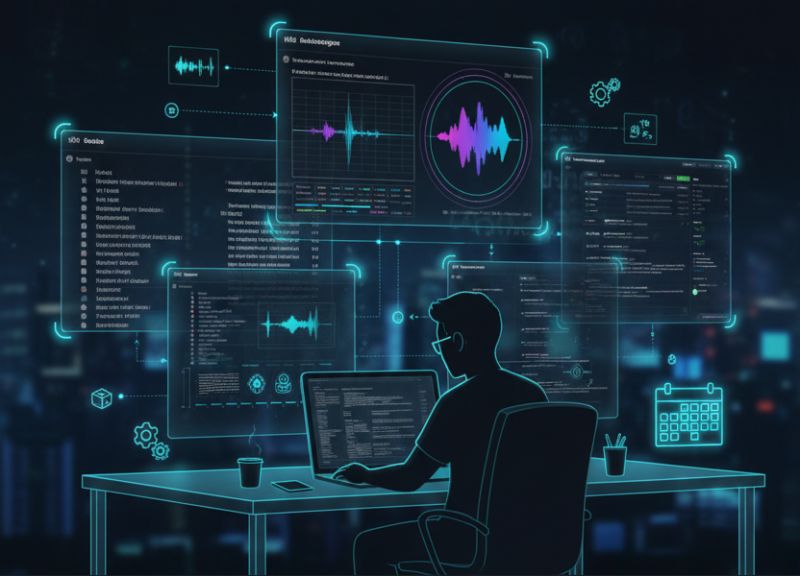
High-Scale Audio Engineering for Production AI
Recently, I concluded a specialized one-month contract at My Shadow Life, focused on the intersection of audio data engineering and machine learning. Working alongside Jeremy Malai, Ayush Rai, and Boktiar Ahmed Bappy, I tackled the technical challenges of transforming unstructured, real-world audio into research-ready assets at scale.
Core Technical Objectives
The primary goal of this role was to move beyond laboratory-clean data and build systems capable of handling noisy, continuous audio streams. My work focused on several high-impact domains:
* Advanced Audio Preprocessing: Implementing denoising, segmentation, and quality enhancement techniques to isolate meaningful signals from complex long-form audio.
* Automated Pipeline Development: Engineering multi-stage transformation flows that ensure consistent output quality while reducing manual intervention.
* Containerization and Deployment: Utilizing Docker to package processing components, ensuring the system remains scalable and reproducible across diverse environments.
* Machine Learning Readiness: Preparing datasets specifically optimized for downstream tasks such as speech recognition, diarization, and other specialized ML workloads.
From Audio to Knowledge Graphs
Beyond raw signal processing, a significant portion of the later weeks involved structuring information. I contributed to the generation of knowledge graphs derived from cleaned audio data, transforming unstructured sound into organized, queryable formats. This step is critical for moving from raw data to actionable intelligence in modern AI research.
Key Takeaways
This experience reinforced the importance of robust data engineering in the AI lifecycle. Success in ML-driven research depends heavily on the ability to handle "messy" real-world data and design automated workflows that guarantee data integrity from ingestion to inference. I look forward to applying these pipeline design principles to future challenges in the AI/ML space.